
Beyond Mind-Work: Bringing Life to Intellectual Capital
When we think about intellectual capital in nonprofits, it can be tempting to assign it to the realm of the rational: systems, knowledge, expertise, processes. Yet if we stop there, we miss the vital current that makes intellectual capital come alive. Intellectual capital is neither sterile nor static. It is embodied in people, relationships, and the energy that moves them.
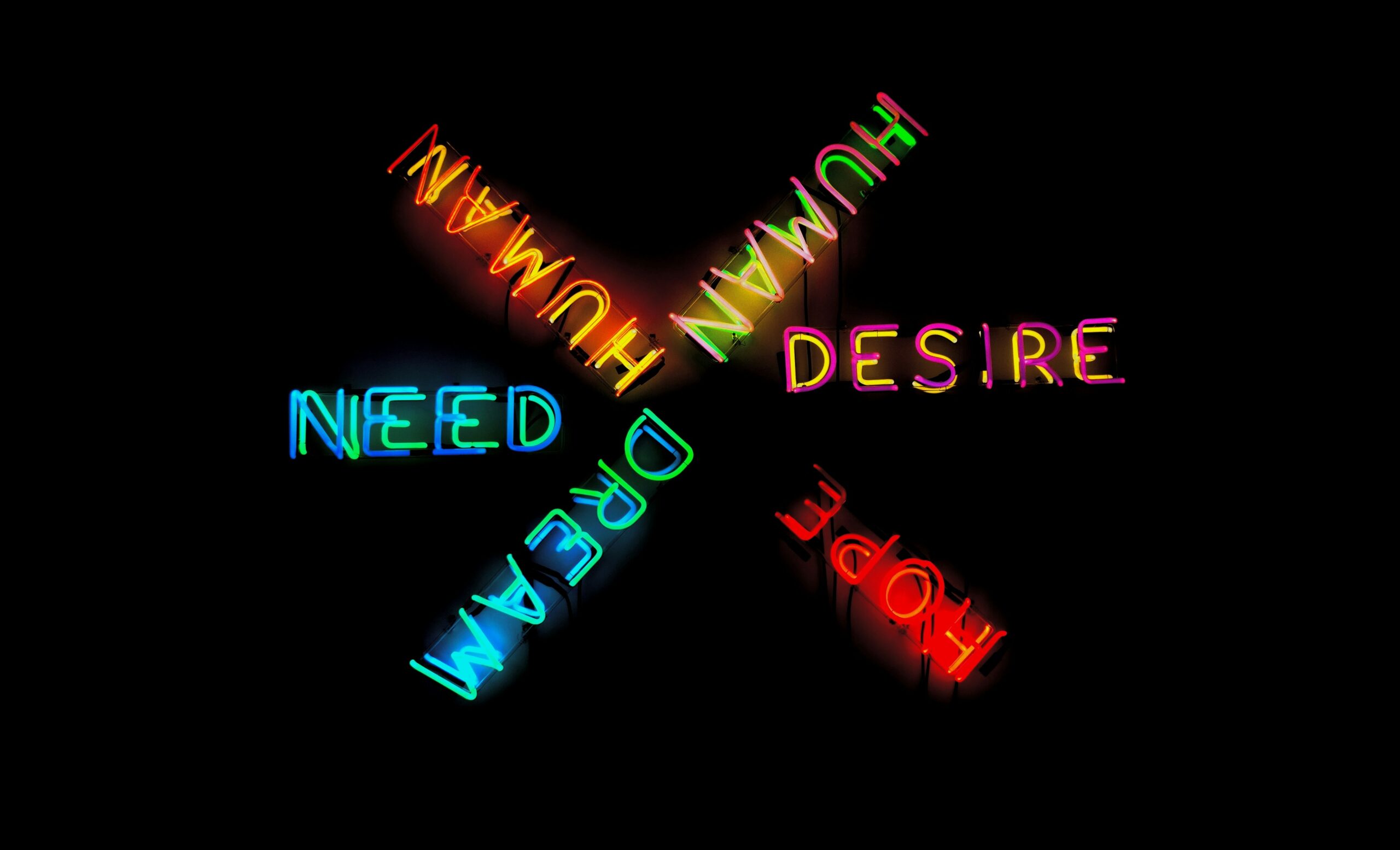
This is where the ancient concept of eros is helpful. In philosophy, eros is not simply about romantic love. It points to desire, vitality, and attraction—the animating force that propels us toward connection, creativity, and what we long to bring into being. Eros is the reminder that intellectual capital is not just what we know, but what draws us forward and makes our knowledge matter.
Intellectual Capital as More than Mind-Work
Our desks, files, and inboxes are cluttered with the practical representations of intellectual capital: strategy documents, board minutes, databases, financial models. These are valuable and often necessary tools to organize our work. But they are only the surface expression of something deeper. Intellectual capital also lives in the stories volunteers tell at community events, in the trust a staff member builds with a long-time partner, and in the creative spark of a program manager who tries something new because “it just feels like it will work.” These things are not separate from knowledge—they are knowledge, expressed in human form. The mind records them, but the body, the heart, and the relationships animate them. When nonprofits recognize that intellectual capital includes both the explicit and the embodied, they begin to see how alive and dynamic their assets really are.
The Pull of Mission and Vision
Eros reminds us that people don’t simply “know” their way into transformation—they are pulled toward it. A nonprofit’s vision and mission are not just a sentences in a strategic plan. They are a magnetic force that draws in board members, donors, staff, and community partners. That pull is what sustains effort through fatigue and disappointment. Intellectual capital—knowledge, systems, and networks—provides the structure that allows this attraction to do more than inspire. It channels energy into action. Think of it as the difference between a current running through water and a riverbed that gives that current direction. Without the eros of vision and mission, intellectual capital is stagnant. Without intellectual capital, eros dissipates into good intentions with nowhere to flow.
Desire as a Generative Force
At its best, eros is the impulse to create. In nonprofits, this generative desire shows up when staff members design a new program, when a board member shares hard-earned expertise, or when a partners experiment with collaboration. These actions are animated by more than logic—they arise from a felt desire to make something better. Intellectual capital expands precisely because people want to share, to teach, to mentor, to build. Each act of generosity plants a seed of knowledge that can be carried forward. Without eros, intellectual capital risks gathering dust. They become files that sit on a server or skills that remain with one person. With eros, it multiplies, because people are motivated not only to know but to create and pass that knowledge along.
Balancing Eros with Logos
Philosophers placed eros alongside logos because they understood that passion without structure can dissipate just as structure without passion can suffocate. Nonprofits experience this tension all the time. Too much eros without logos looks like mission drift—plenty of energy but no clear direction. Too much logos without eros looks like bureaucratic stagnation—perfect systems with no life in them. Intellectual capital thrives when eros and logos are in dialogue. Ideas and accountability, risk and governance, desire and discipline are paired forces keep organizations resilient. When both are cultivated, nonprofits not only survive disruption but often find themselves more creative and more deeply aligned with their purpose.
Reclaiming Wholeness in Leadership
Nonprofit leaders are often rewarded for their logos—their ability to write strategic plans, manage budgets, or produce measurable outcomes. These are necessary, but they can overshadow the eros that actually animates a mission. Communities aren’t transformed because a leader has a balanced spreadsheet. They’re transformed because leaders bring voice to longing—for justice, for dignity, for beauty—and channels it through structures that allow others to participate. To reclaim eros in leadership is to remember that intellectual capital isn’t just a rational ledger of what the organization “has.” It is a living reservoir of what people in the organization love, desire, and are drawn to create together. That wholeness is what keeps intellectual capital from being a technical exercise and makes it a transformative one.
A Practice for Leaders: Storytelling as a Window into Eros
At your next board or staff gathering, invite people to share a story about a moment when they felt most pulled into the organization’s mission. It might be a conversation with a client, the success of a program, or even a challenge that deepened their commitment.
Once each story is shared, ask: What made that moment possible? Look for the intellectual capital beneath the story—knowledge that was applied, systems that supported the work, relationships that carried it forward.
This simple practice reveals how intellectual capital is never just a technical asset. It is animated by eros—the attraction, vitality, and longing that draws people into the work. In surfacing those stories, leaders can see not just what their organization knows, but what it loves and desires for its community.

hello world
hello world