
Organizational Health: The Renewable Resources at the Core of Nonprofit Success

When you hear the phrase organizational health in a nonprofit context, what comes to mind first? For many leaders, it’s the budget: balanced books, strong reserves, maybe a clean audit. But those are just one part of the picture. Real organizational health runs deeper—into the energy, relationships, and systems that allow your mission to endure.
And those deeper layers often show up first in leadership. An executive team’s well-being is not incidental—it’s the soil from which the organization grows. If that soil is depleted, everything else eventually feels it: decisions get narrower, staff morale dips, partners sense strain. When it’s rich and cared for, the opposite is true—creativity flourishes, trust expands, and resilience builds.
Leader health, in other words, is not separate from organizational health. It’s a mirror and a signal. The way you carry stress, balance, or renewal ripples outward—shaping culture, governance, and even how external allies experience your work. Paying attention to your own well-being isn’t self-indulgence; it’s strategic stewardship of the organization’s future.
Think of intellectual capital as an ecosystem. Human, structural, and network capital are like soil, water, and sun. You can push them hard for a season, but if you never pause to replenish, you end up with depleted ground. The signs show up quickly: great staff walk away, systems collapse under their own weight, or trusted partners drift because relationships went untended.
The good news? Intellectual capital is renewable. Healthy organizations commit to practices that restore their stores of human, structural, and network capital:
- Human capital → Protect leadership well-being, normalize rest, and cultivate shared authority so that knowledge circulates.
- Structural capital → Refresh systems before they decay. Treat documentation and institutional memory as living tools, not dusty binders sitting on a shelf.
- Network capital → Nurture relationships even when you don’t “need” them. Diversity of connections is what carries you through change.
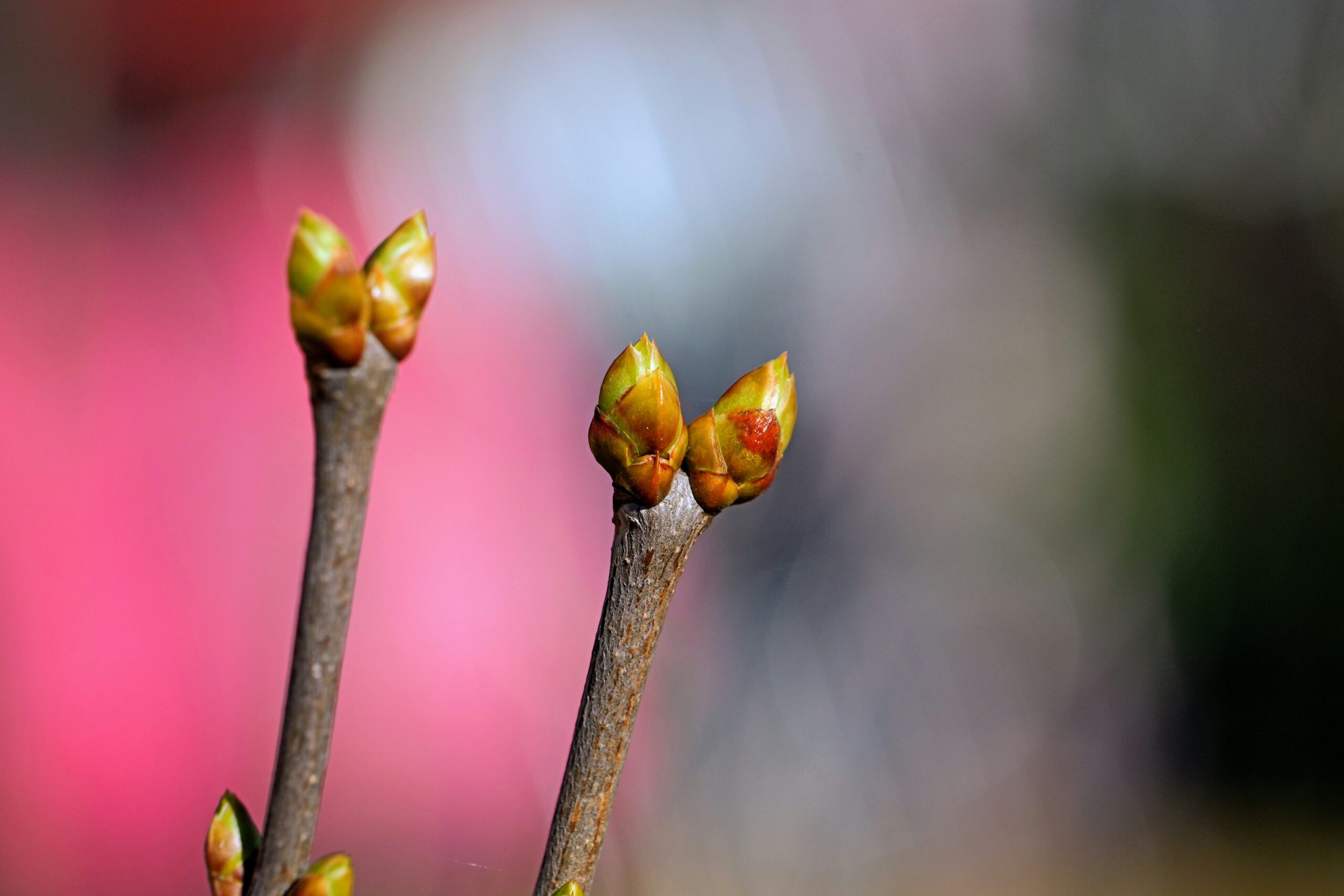
The healthiest organizations I’ve worked with treat these assets like gardens. They prune, compost, and reseed. They recognize that cycles of renewal—not constant extraction—are what keep the mission alive.
Regeneration is the discipline that makes sustainability real. Without it, “organizational health” is just a buzzword. With it, you create resilience: the kind that lets your team recover, adapt, and grow stronger even after a season of strain.
A Moment to Reflect
So where does this land for you? If organizational health is about regeneration, the first place to look is inward. These prompts are not about fixing everything at once, but about noticing what’s true right now in how you hold human, structural, and network capital as a leader.
Human Capital – Self as Resource
How am I tending to my own energy, focus, and growth as a leader? If my well-being is a mirror for the organization, what does my current state reflect back?
Structural Capital – My Role in the System
Where am I relying on personal memory or ad-hoc fixes instead of healthy structures? What’s one practice I could shift from “in my head” to “in the system”?
Network Capital – Relationships and Reciprocity
Which relationships am I nurturing regularly, and which only get attention when I need something? How might I show up differently to keep trust alive and resilient?
